Sealing Solution Specialists
We deliver end‑to‑end sealing solutions for silos and storage structures that achieve gas‑tight performance, enable effective fumigation, and preserve grain quality across Australia.
We are an Australian‑owned company with over 50 years of expertise delivering high‑performance sealing systems for commodity storage.
We design, apply, and maintain specialty products and methods that achieve AS 2628 gas‑tight standards—protecting grain quality, enabling effective fumigation, and extending asset life across silos and storage structures.
Trusted by operators throughout Australia, Asia, and internationally, we partner with clients to implement proven techniques and rigorous workmanship that safeguard valuable inventories and reduce whole‑of‑life costs.

Why seal a containment structure?
We design, apply, and maintain specialty products and methods that achieve AS 2628 gas‑tight standards—protecting grain quality, enabling effective fumigation, and extending asset life across silos and storage structures.
- 01
AS 2628 compliance
Gas‑tight sealing proven by the Australian pressure test ensures effective fumigation.
- 02
Efficient, safer fumigation
Enables controlled‑atmosphere fumigation with predictable results across networks like CBH.
- 03
Resistance control
Proper sealing prevents sub‑lethal dosing that drives phosphine‑resistant insects.
- 04
Quality protection between treatments
Managed venting and aeration prevent condensation, mould, and structural stress.
Applications for structure sealing
Our expert team uses advanced techniques and quality materials to meet AS 2628 standards, ensuring your grain is protected, fumigation is effective, and your storage assets last longer. Here are some examples of how we achieve it.
-
Small Silos
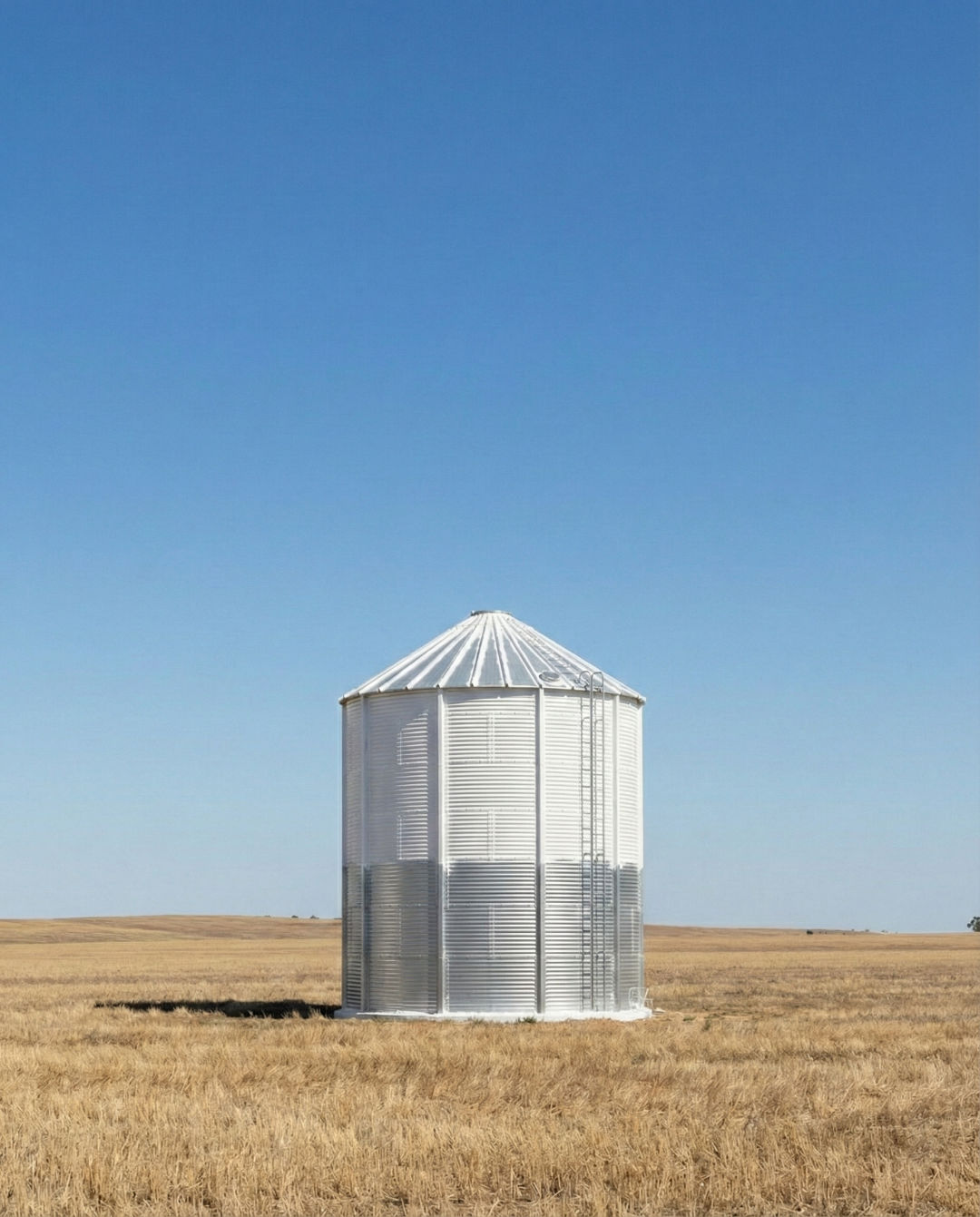
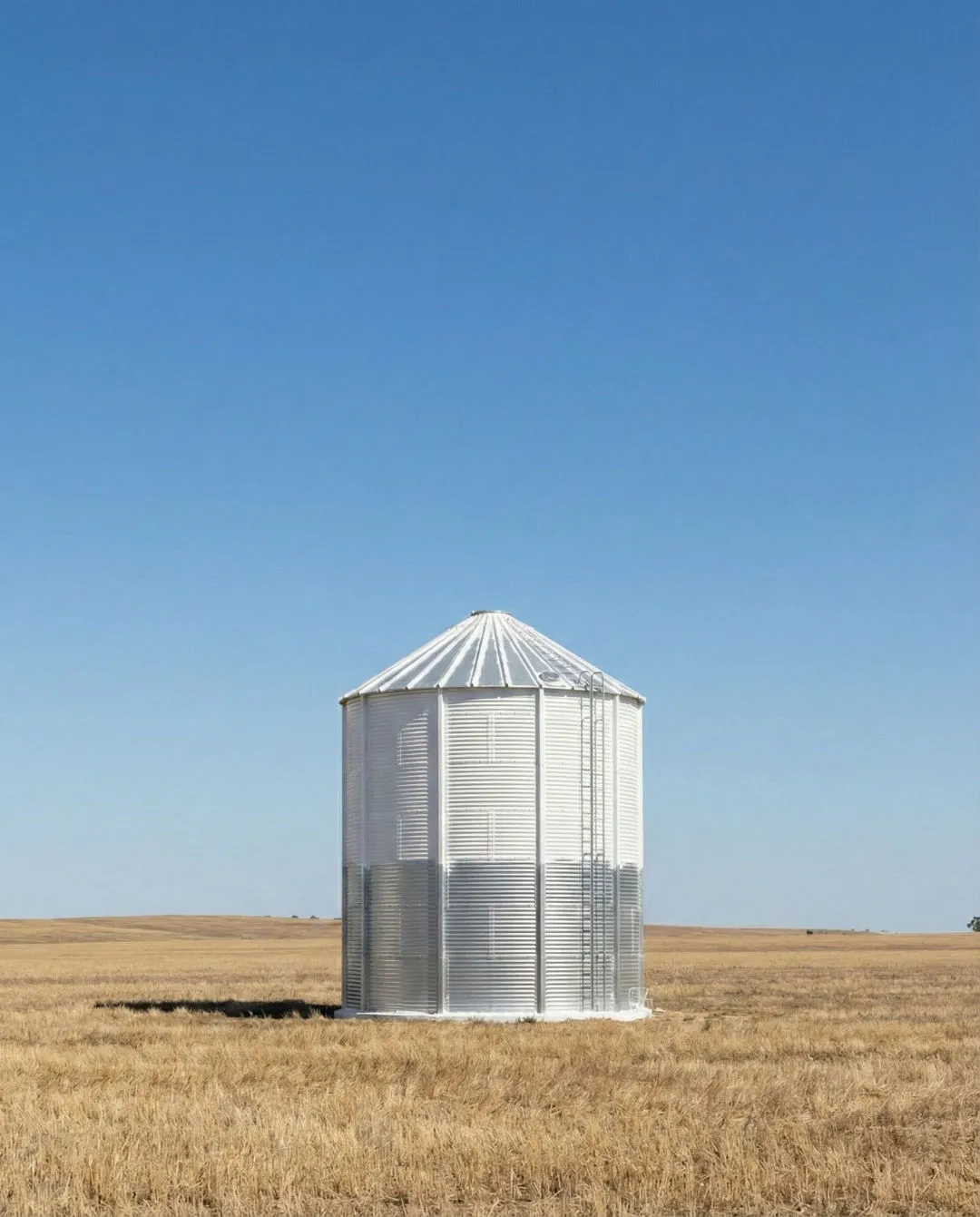
Small on‑farm silos are increasingly used to store grain before sale or livestock use, but effective phosphine fumigation requires gas‑tight, pressure‑tested sealing to Australian Standard AS2628, a five‑minute half‑life. In unsealed silos, target concentrations of 300 ppm for seven days or 200 ppm for ten days cannot be maintained, so pests survive at some life stages and resistance increases, and many silos sold as “sealed” are not truly gas‑tight, making them unsuitable for fumigation.
-
Medium Silos
Medium-capacity on‑farm silos are increasingly used to store grain before sale or livestock use, but effective fumigation with phosphine requires silos to be genuinely gas‑tight and pressure‑tested to Australian Standard AS2628 (five‑minute half‑life). In unsealed silos, required concentrations of 300 ppm for seven days or 200 ppm for ten days cannot be maintained, so pests survive at some life stages and resistance increases; many silos marketed as “sealed” are not gas‑tight and are unsuitable for fumigation.
-
Large Silos
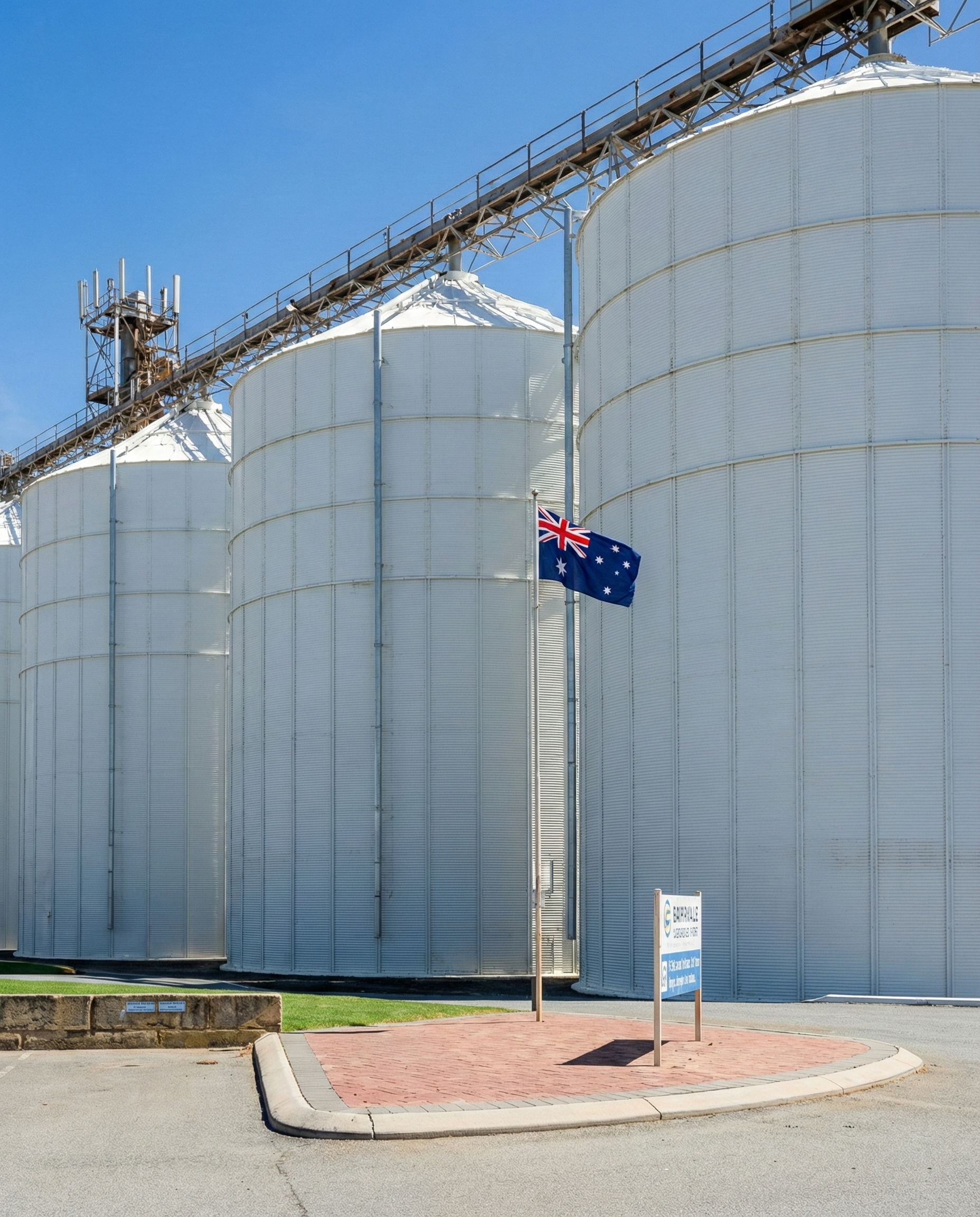
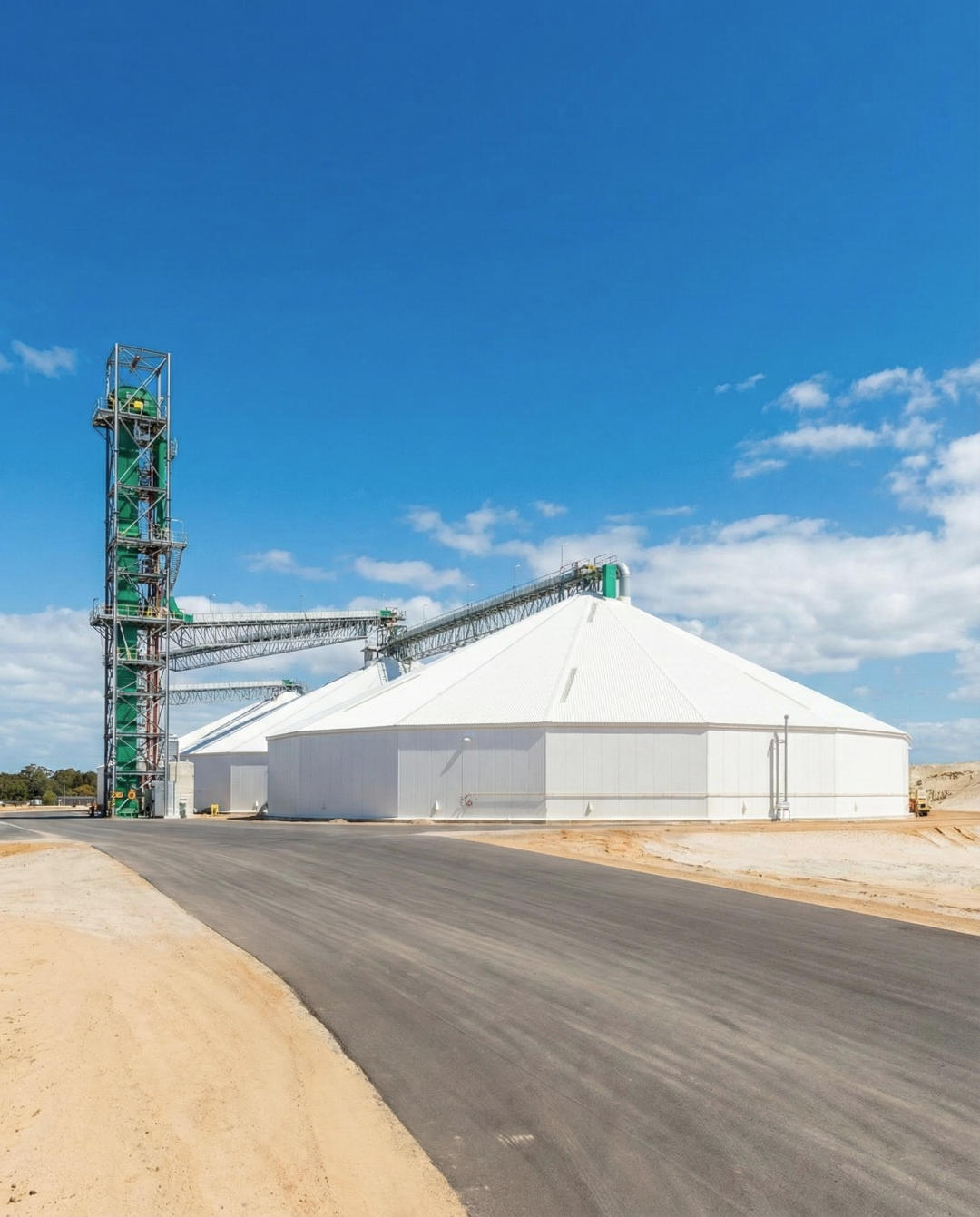
Sealing for large grain storages of 10,000 tonnes or more falls outside Australian Standard AS2628 used for general farm silos. These 20,000‑tonne storages are sealed and tested to ensure internal pressure decay does not exceed half of an induced pressure, 200 Pascals, over 10 minutes when empty, and only when internal pressure is at or below ambient external pressure.
-
Temporary Storages
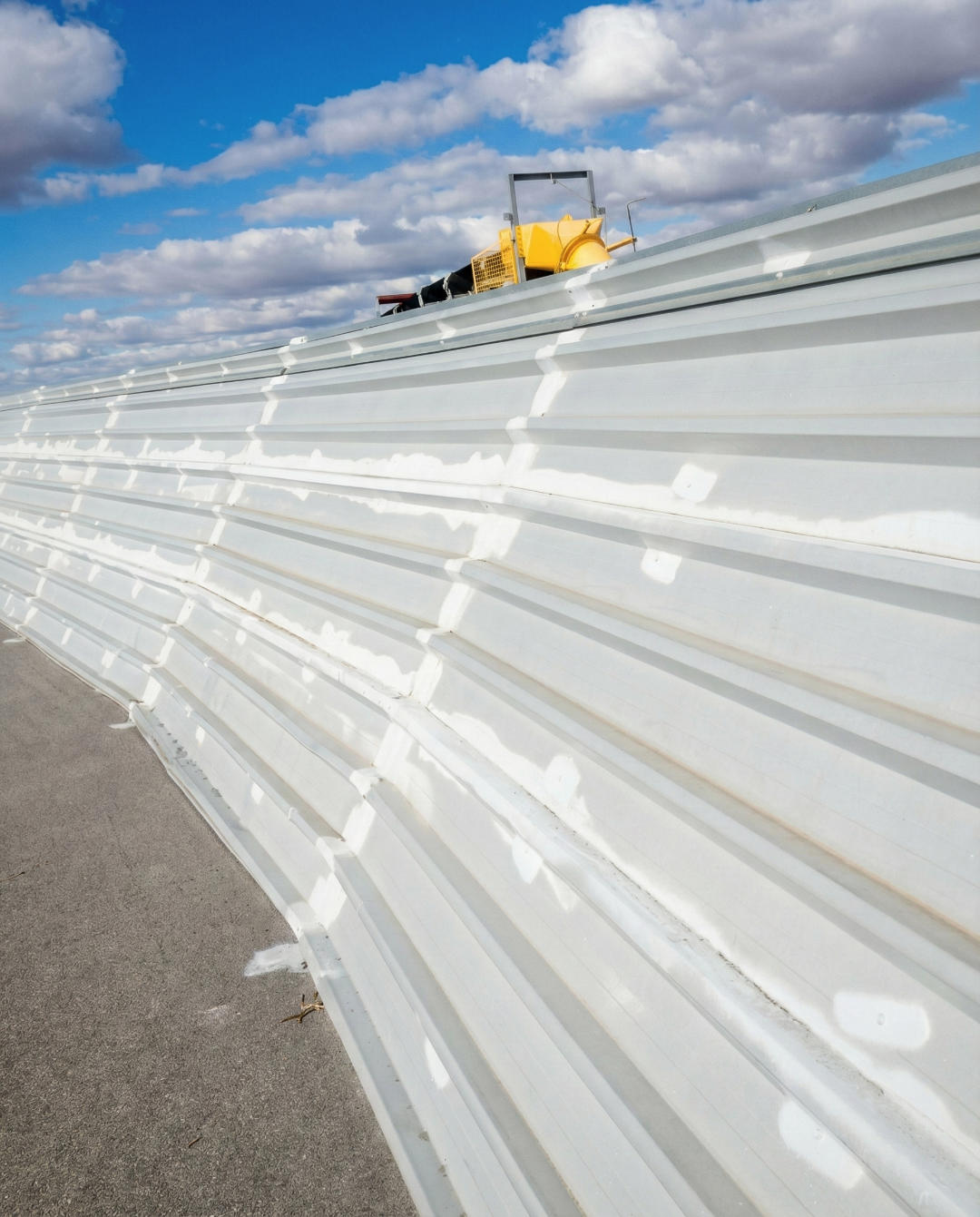
Temporary grain storage is an inexpensive alternative to permanent systems, with metal wall storages most common, followed by concrete walls, and dirt bunkers used briefly in emergencies. Loss risk is higher due to leaking tarpaulins from bird damage and ground flooding, and more fumigant is typically required because sealing the tarpaulin to the floor and wall is challenging.<br><br>Fumigating unsealed bunkers does not kill pests at all life stages, and repeat fumigations increase resistance and select for higher phosphine tolerance, effective control requires phosphine concentrations of 300 ppm for seven days or 200 ppm for ten days, levels that trials show are impossible to maintain in unsealed bunkers, so surviving eggs and pupae will continue to develop and reinfest the grain.
-
Tarpauling Sealing
Tarpaulin sealing ensures water‑tight and gas‑tight coverage for temporary grain bunkers, critical for effective fumigation and preventing insect resistance. PPE and PE tarpaulins have low surface adhesion, so <a href='/products'>Global TarpSeal RB</a>, a solvent free acrylic rubber filled lightweight membrane with high adhesion and optional fiber reinforcement, is used for reliable sealing, while PVC offers broader product compatibility including <a href='/products'>Glo-Mastic</a>, a solvent free acrylic membrane that can also be fiber reinforced. Achieving and maintaining phosphine concentrations at 300 ppm for seven days or 200 ppm for ten days requires properly sealed seams, since unsealed bunkers cannot sustain these levels and will not kill pests at all life stages.

-
Warehouse Roof Sealing
Global’s seamless membranes waterproof warehouse and factory roofs via airless spray for a continuous water‑tight finish. <a href='/products'>Novalast 151 LTM</a>, a solvent‑free acrylic membrane with 350% elongation at 2mm, provides durable sealing on metal, masonry, fibro, and concrete, reducing internal temperatures by up to 40%. Proven on a 52,000 m² roof in Canning Vale, Western Australia.

What our clients are saying
With clients around the world, Global Sealing Services have proven to
have the expertise and range to exceed expectation. View below what
some of our clients have had to say.
-
Co-operative Bulk Handling would like to acknowledge the work and products you have supplied in support of our Sealed Storage and Fumigation needs. The expertise and range of products provided by you and your team have assisted CBH in maintaining our ability to effectively control insects in all our grain within our sealed storage system. In particular, I would personally like to acknowledge your continued effort in helping to develop new and innovative sealing products and techniques for our niche requirements. The work in developing an internal sealing methodology has assisted in resolving Corella damage to our Sealed Storages and extending the life of the seal itself.
Ern Kostas Co-operative Bulk Handling Australia -
Quaker Oats Australia Pty Ltd appointed Global Sealing Services in November to undertake the sealing of 8 * 2000 bushel silos at our Forrestfield facility. Global Sealing Services professionalism was very evident from the start of the job to its conclusion. Gabe and his staff were very helpful in ensuring a minimum of disruption to our day to day activities at the site. The extra input that the team provided to come to a satisfactory conclusion to our fumigation requirements was invaluable. The manner in which the job was undertaken was in no small way attributed to the supervision the team worked under. I would have no hesitation in recommending Global Sealing Services to undertake sealing services.
John Hunter Quaker Oats Australia Pty Ltd -
Gabe, Just wanted to let you know what a great job Rob and his offsider did on our silos. Rob was meticulous with his preparation and attention to detail. The end result looks very good and will hopefully give us many years of insect free storage.
Cliff Martin Davison & Co (Barford) Ltd, Western Australia -
The paint on our patio roof worked like magic, Xmas and Boxing days the Aircon was on half. The metal was barely warm. Thanks, I'm glad I took your advice
Peter Residential Customer, Western Australia
Australia’s Phosphine Resistance Issue
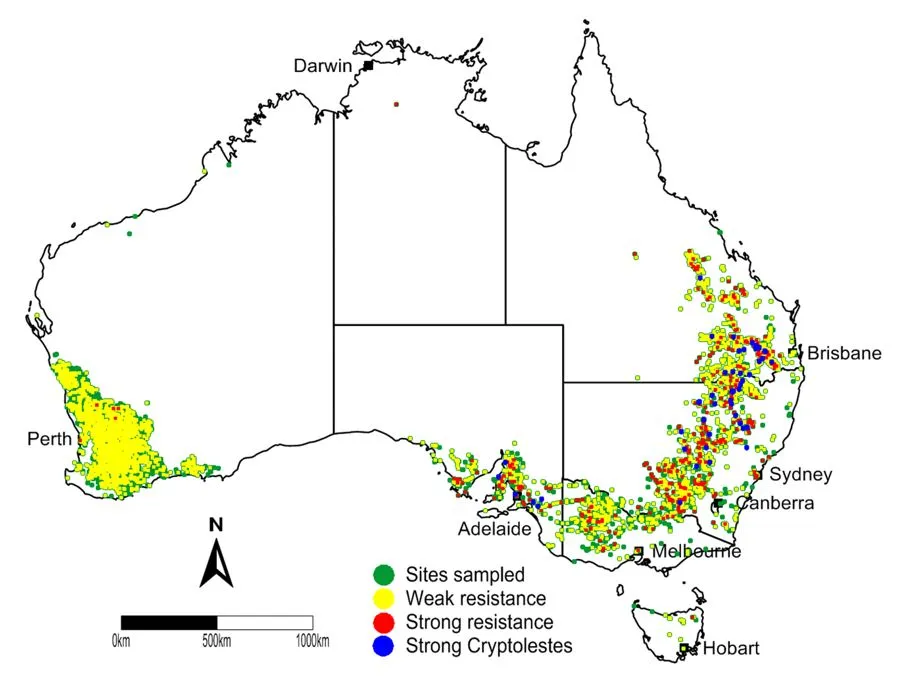
Resistance to phosphine is rising where fumigations occur in unsealed or leaking storages. Sealing to AS 2628 maintains lethal gas concentrations for the full exposure period, stopping resistant pests and safeguarding grain quality. This is why our sealing systems are engineered for gas‑tight performance: effective fumigation today, less resistance tomorrow.
Get in Touch